

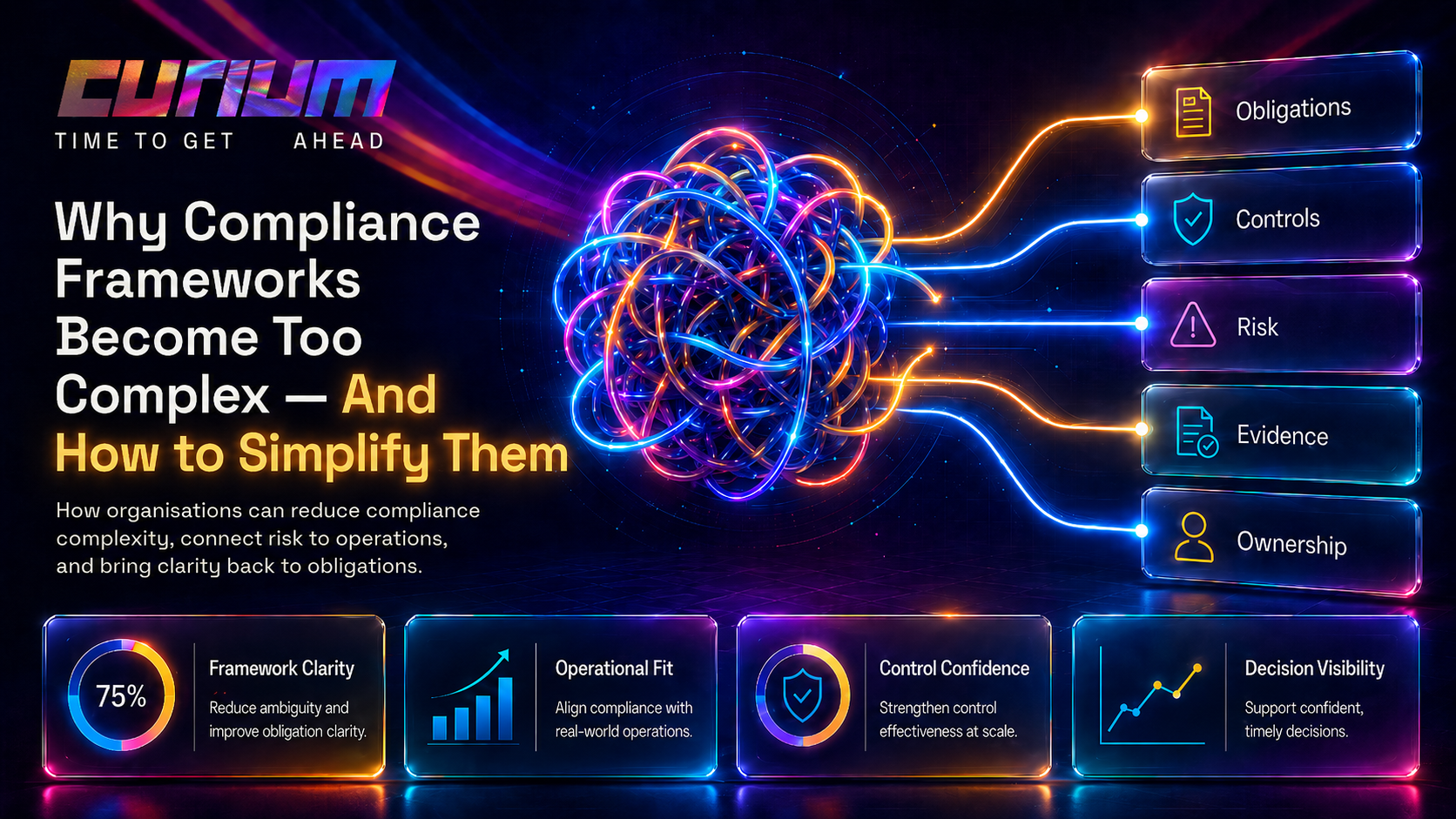
Many organisations today are struggling with overly complicated compliance frameworks, disconnected risk registers, and controls that are difficult to operationalise. In highly regulated industries such as insurance and financial services, complexity has quietly become one of the biggest risks in compliance itself. The problem is no longer access to regulation or information. The problem is clarity.
Businesses are overwhelmed by regulatory change, operational risk requirements, complaints handling obligations, audits, policies, spreadsheets, governance reporting, and increasingly disconnected systems. In response, many organisations add even more layers — more policies, more committees, more controls, more interpretation. But complexity is not the same as good governance.
In many cases, excessive complexity creates operational confusion, inconsistent decision-making, and poor visibility over risk.
At Curium, one of our core philosophies is simple: Make compliance practical, operational, and clear. Because simplicity is one of the most valuable capabilities an organisation can build in the 21st century.
The Problem with Modern Compliance
Over time, many compliance frameworks drift away from operational reality. Risk registers become abstract. Controls become difficult to evidence consistently. Policies become disconnected from how people actually work. Teams spend more time interpreting obligations than managing them. Eventually, compliance becomes something people work around instead of something that helps them make decisions. This is particularly common in industries managing large volumes of obligations, including AFSL requirements, ASIC regulations, CPS 230 operational risk obligations, RG 271 complaints handling, breach reporting, privacy requirements, and broader governance, risk and compliance frameworks. The result is uncertainty.
People become unclear on what matters most, who owns specific obligations, what constitutes a breach, or whether controls are genuinely operating effectively. And when organisations operate in uncertainty, decision-making slows down.
Complexity Creates Compliance Risk
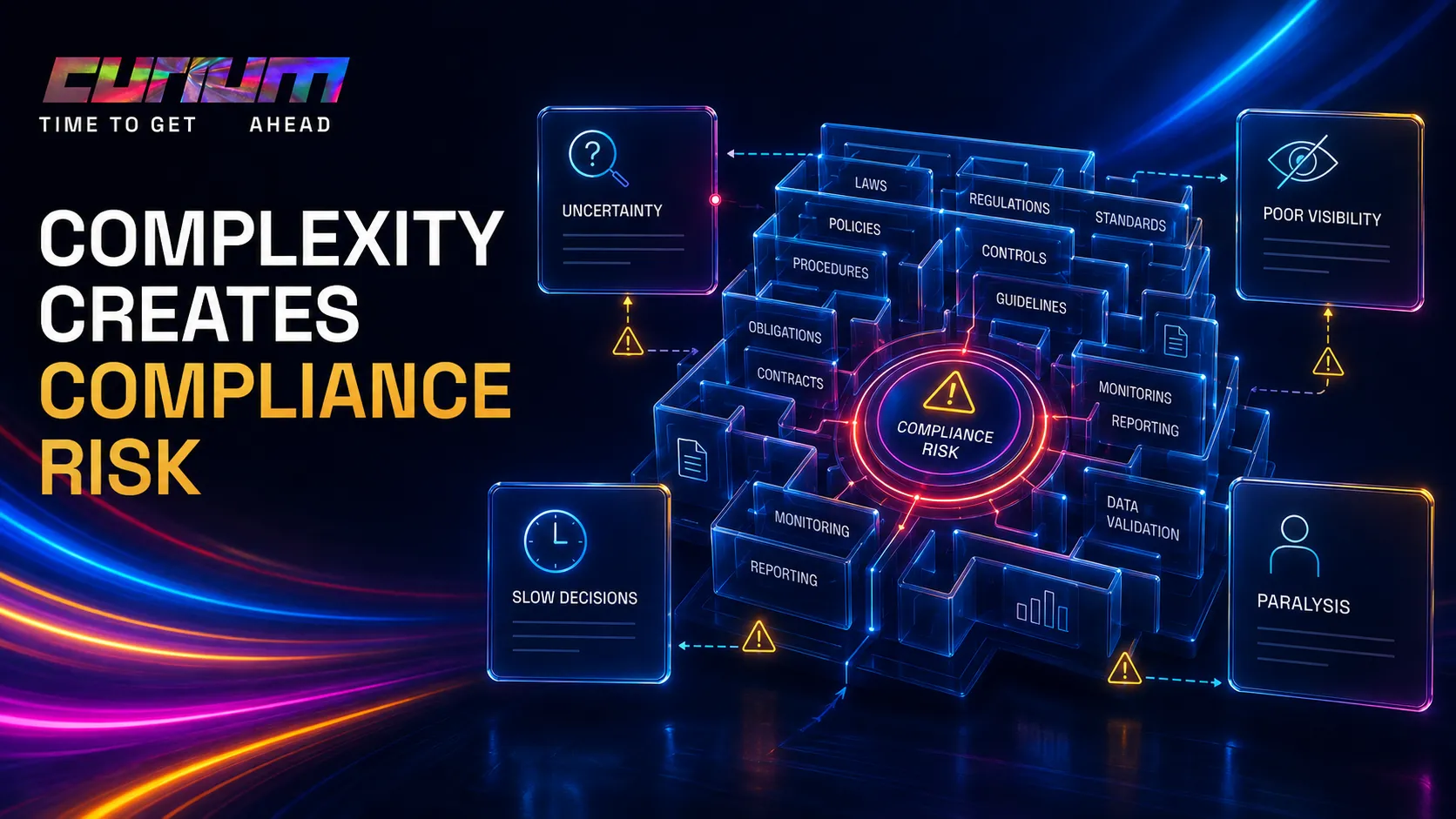
One of the biggest misconceptions in risk and compliance is that larger frameworks automatically create stronger governance. In reality, overly complicated environments often create the opposite outcome. A framework nobody understands cannot operate effectively. A control people cannot realistically perform is not a real control. A risk register disconnected from operations does not improve risk management. Good compliance should help people make better decisions. Not create paralysis.
Bring Compliance Back to the Letter of the Law
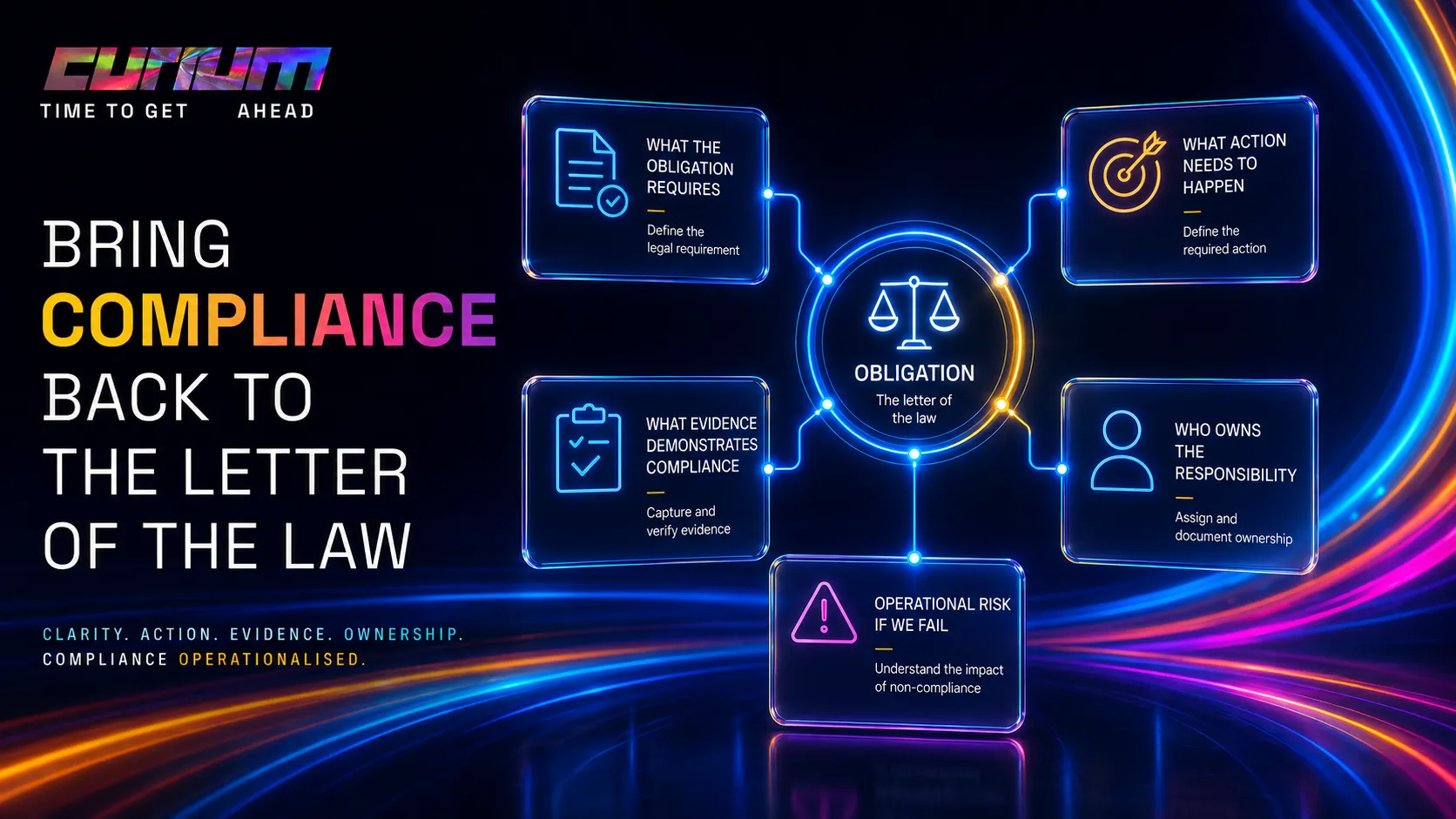
Our philosophy has always been to bring compliance back to the actual obligation. Not generic templates. Not theoretical frameworks disconnected from operations. Not endless layers of interpretation. The law already tells organisations what they must do. The challenge is operationalising those obligations clearly and consistently across the business. That means understanding: what the obligation actually requires what action needs to happen what evidence demonstrates compliance who owns the responsibility what operational risk exists if something fails This approach removes ambiguity and takes the guessing out of compliance.
Simplicity Requires Deep Understanding
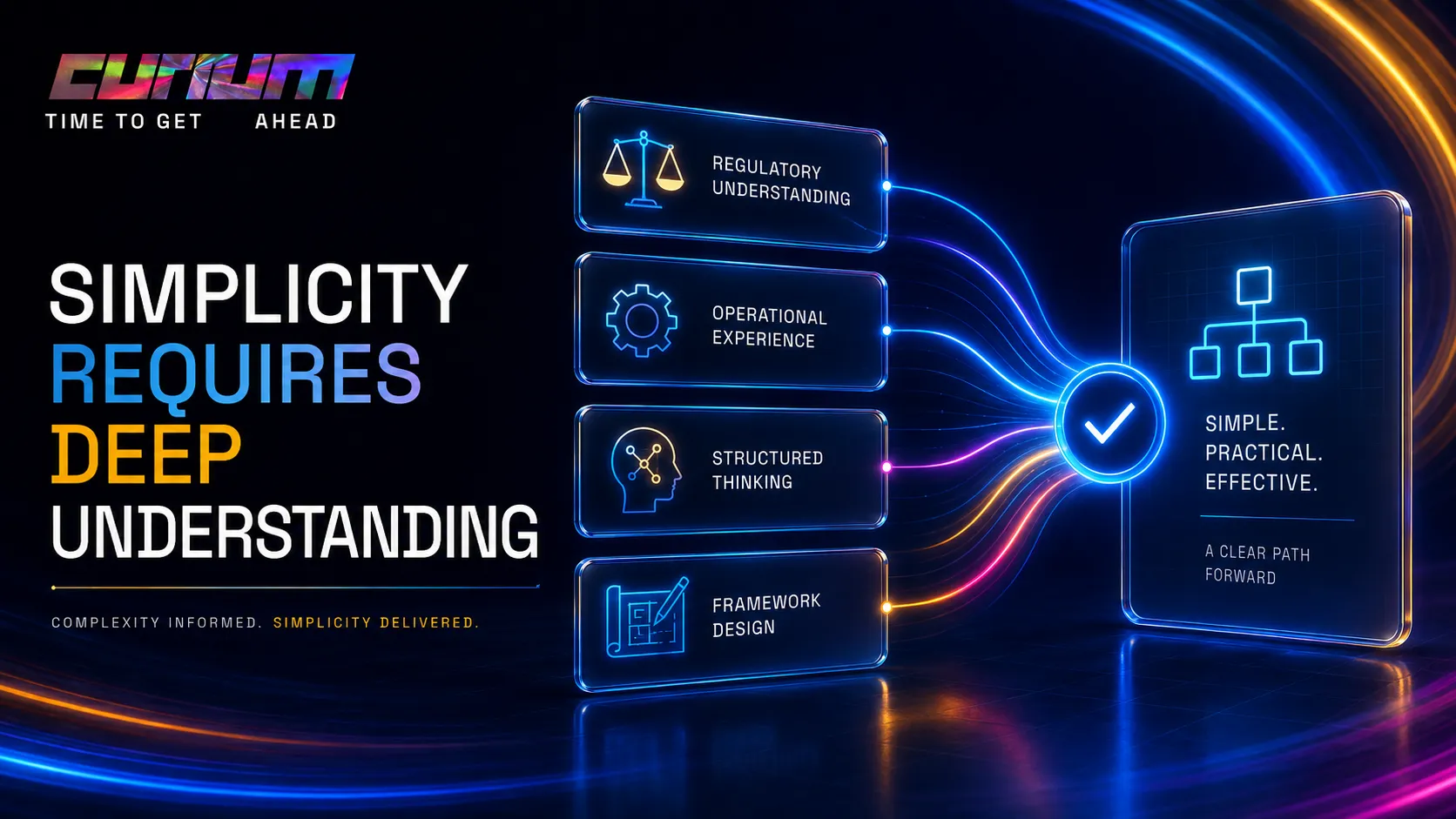
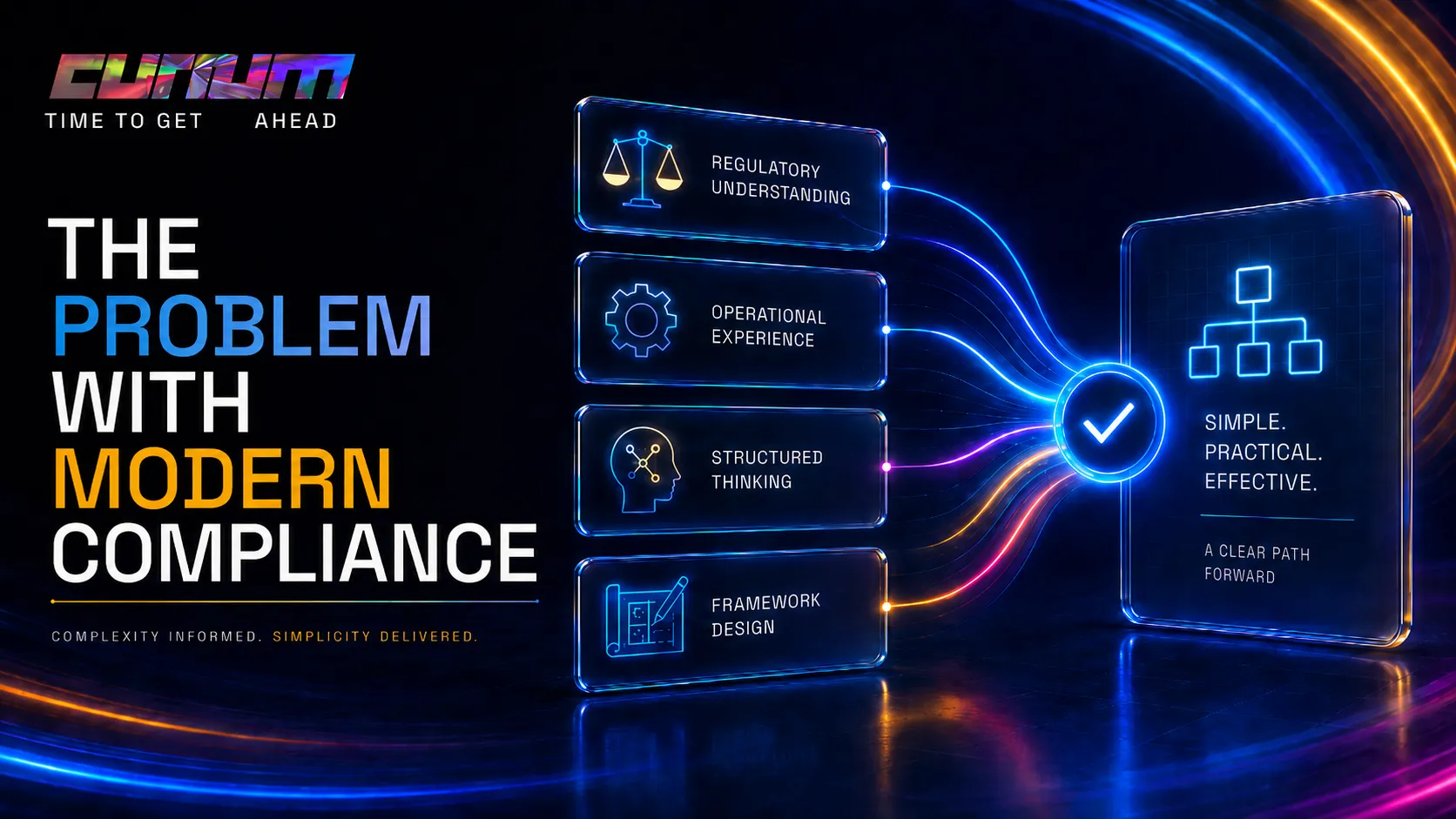
Simple does not mean simplistic. In fact, simplicity is incredibly difficult to achieve. Anyone can make compliance more complicated. Very few can make it clear. True simplicity requires deep regulatory understanding, operational experience, structured thinking, and disciplined framework design. At Curium, we focus on making risks tangible, controls manageable, and obligations understandable. We believe compliance frameworks should fit into how people genuinely work — not how frameworks theoretically expect them to work. Controls should be practical. Risk should be observable. Governance should support decision-making. And compliance should operate as part of the business, not beside it.
The Future of Compliance Is Clarity
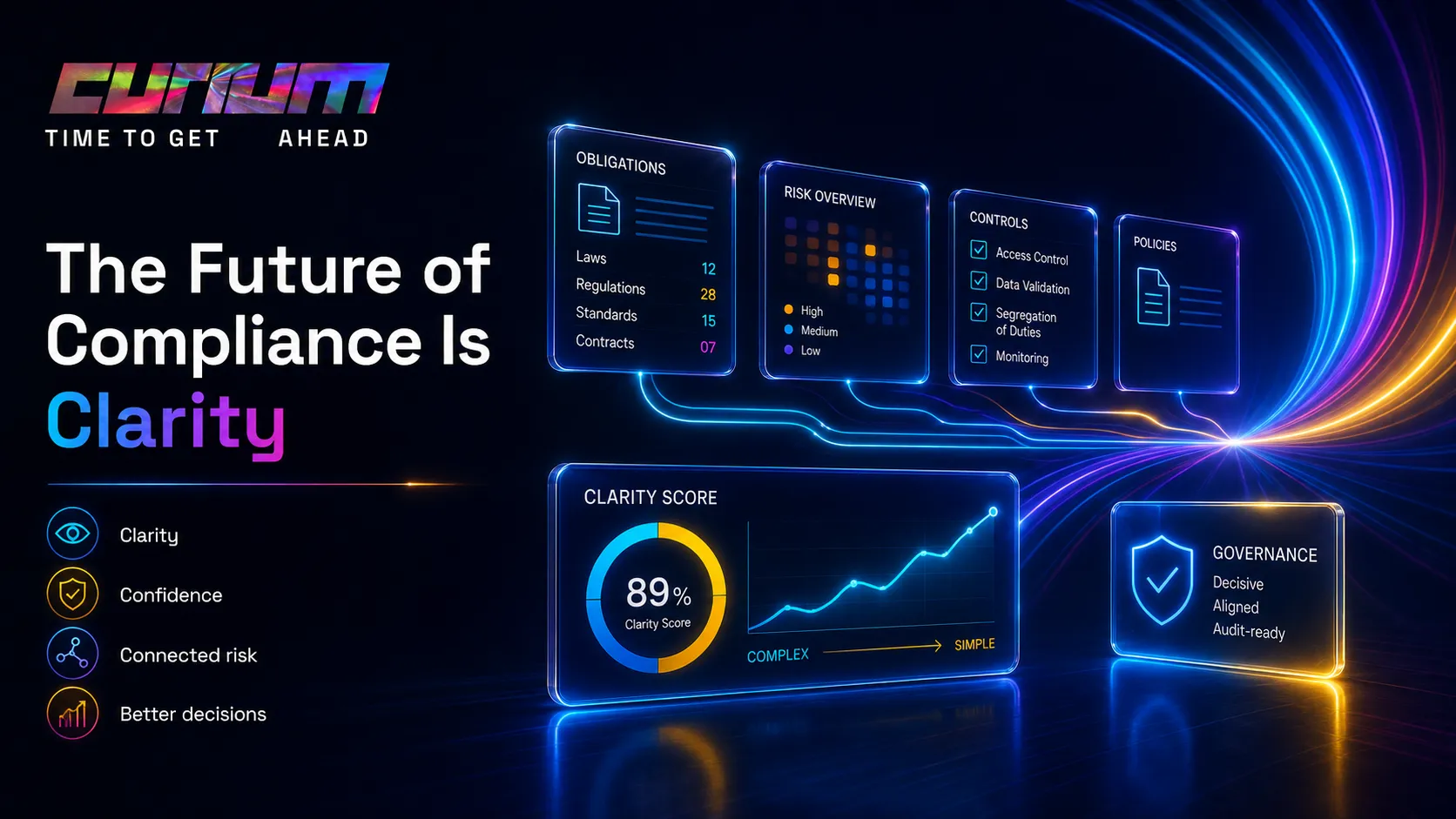
The modern world does not suffer from a shortage of information. It suffers from a shortage of clarity. The organisations that will succeed are not necessarily those with the biggest frameworks or the most documentation. They will be the organisations that can simplify regulatory complexity, operationalise obligations clearly, connect risk to operations, and remove ambiguity from decision-making.
Because ultimately, good compliance is not about creating more complexity. It is about creating confidence.
And in a world overloaded with noise, simplicity may become one of the most sophisticated capabilities an organisation can build.
Author:
Tetiana George, CEO of Curium, Co-Chair of Insurtech Australia and member of ASIC Digital Finance Advisory Committee. LinkedIn Profile.