

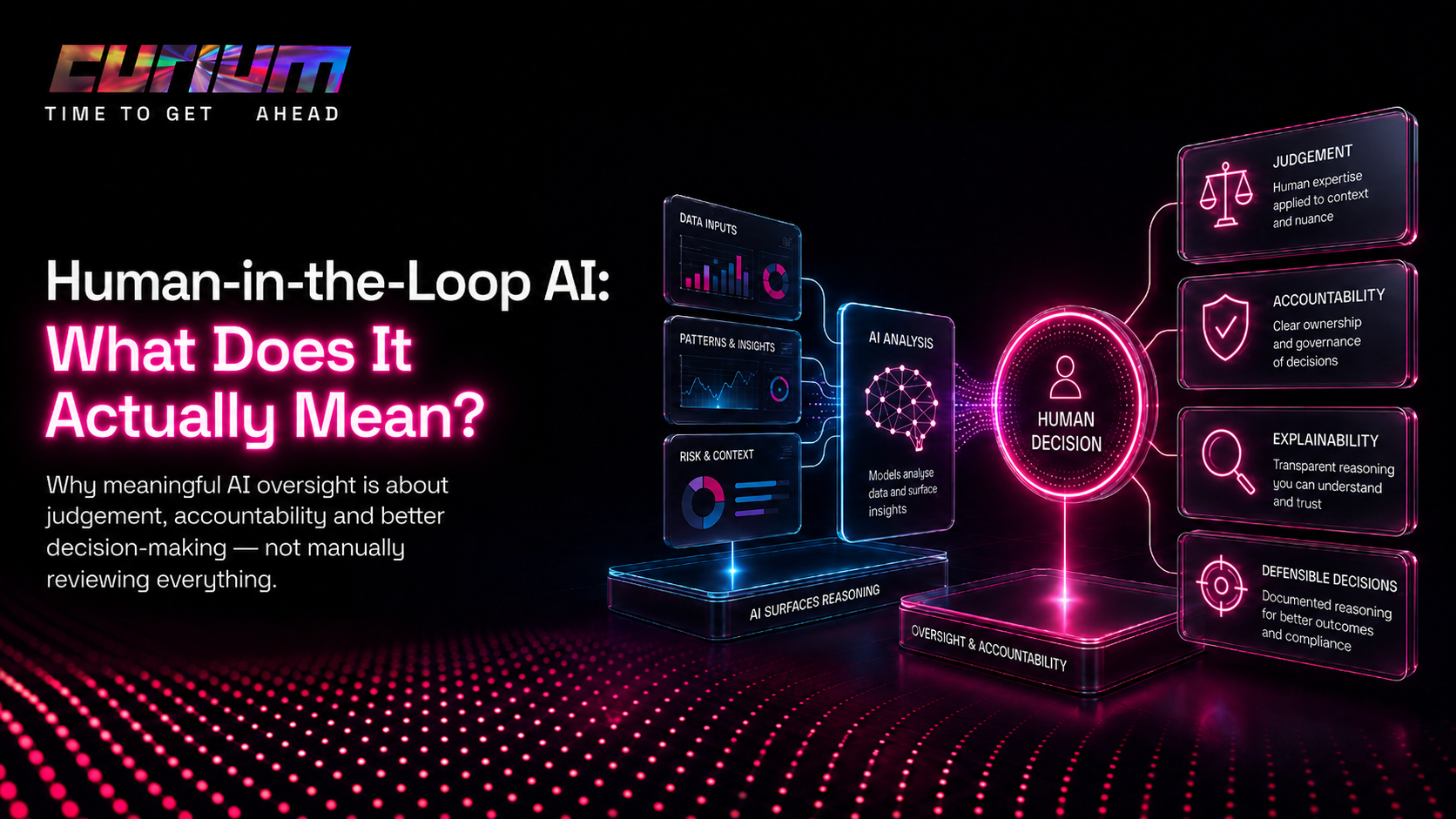
Human-in-the-loop AI has quickly become one of the most important concepts in compliance, risk management, governance and claims handling.
Regulators around the world are calling for it. Boards are asking questions about it. Technology vendors are building it into their marketing materials.Yet despite its growing importance, there is surprisingly little agreement on what human-in-the-loop actually means in practice.For many organisations, the concept has been reduced to a simple idea: a human must review AI-generated outputs before a decision is made.
But is that really meaningful oversight? If a person is presented with a 50-page AI analysis and simply clicks “approve”, have they genuinely exercised judgement?
And in a world where AI is increasingly embedded into everyday workflows, is it even realistic to expect people to manually review everything?
The Myth of Reviewing Everything
Consider software development.
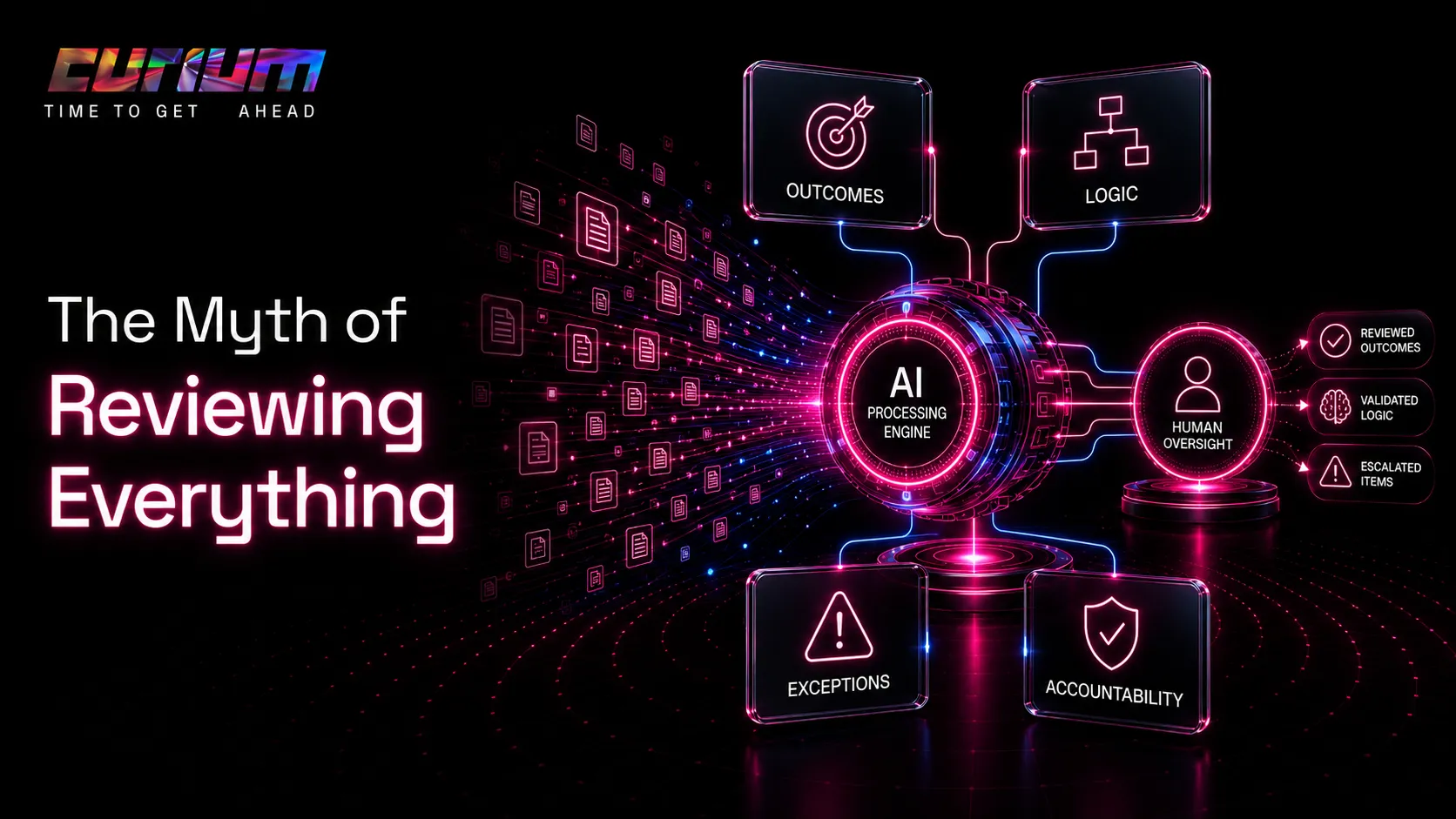
Today, developers routinely use AI to generate code, identify bugs and suggest solutions. In some cases, AI writes a significant proportion of the final codebase. Yet no developer manually reviews every line of AI-generated code. Instead, they review the architecture, test outcomes, business logic, edge cases and overall performance of the solution.
The focus is on controlling the outcome, not manually recreating the work. The same principle applies to compliance, risk management and claims. A compliance professional should not have to manually search through hundreds of pages of legislation to identify potentially relevant obligations.
A claims handler should not need to manually review every clause in a policy to understand potential coverage considerations.
A risk manager should not spend days consolidating spreadsheets to identify emerging trends.
These activities consume time, but they are not where human expertise creates the most value.
Human expertise creates value through interpretation, judgement, challenge and accountability.
For teams looking to reduce manual review without losing oversight, Curium’s compliance platform helps bring structure, context and visibility into compliance and risk workflows.
What Regulators Actually Care About
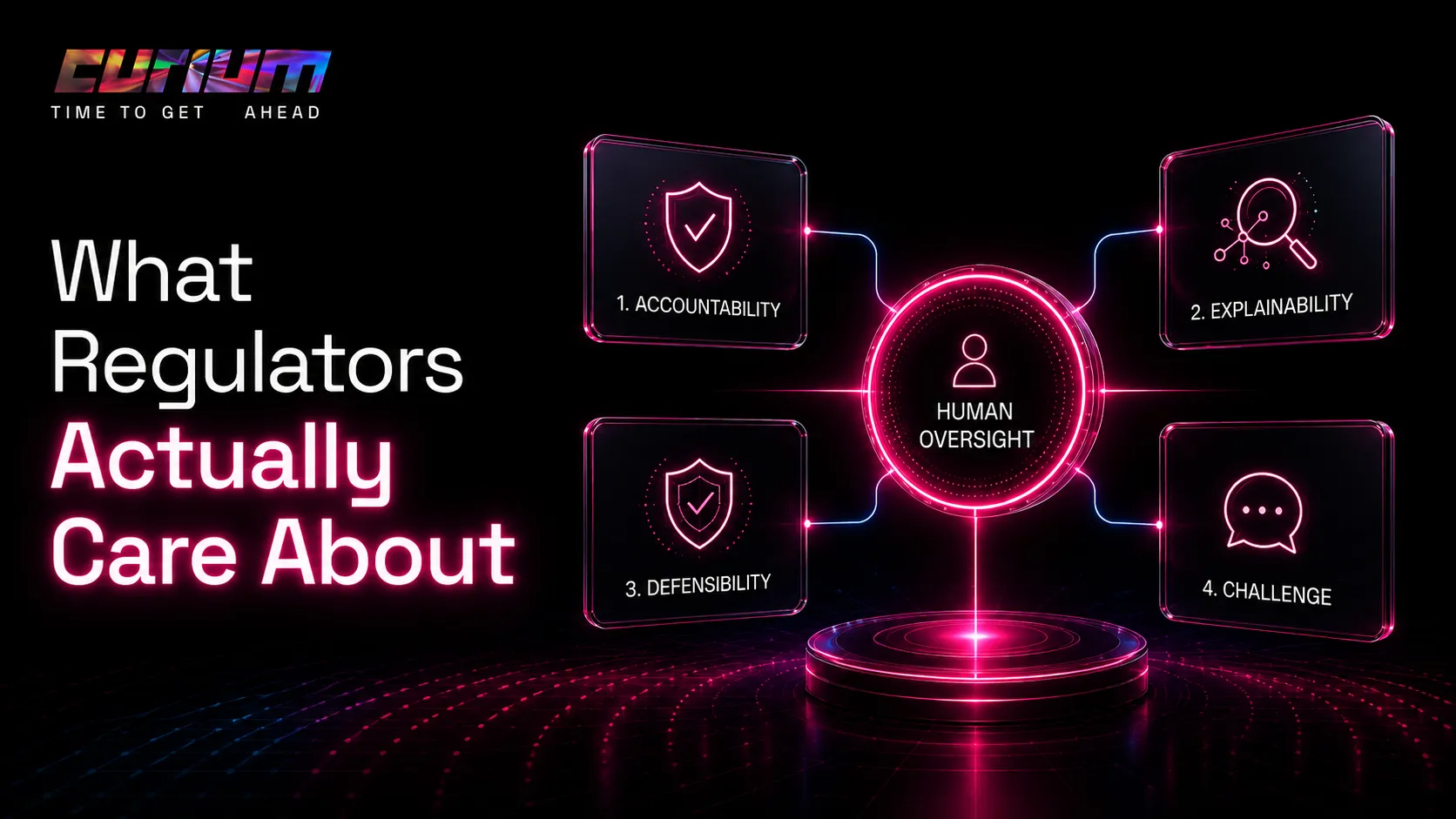
When regulators discuss human oversight of AI, they are not asking organisations to create more manual work. They are asking organisations to ensure that important decisions remain accountable, explainable and defensible.
The critical question is not:
“Did a human review everything?”
The critical question is:
“Could a human understand the reasoning, challenge the outcome and make an informed decision?”
That is a fundamentally different standard. It shifts the focus from process to judgement. From checking boxes to exercising expertise. From documenting activity to demonstrating accountability.
Meaningful AI oversight is not about creating more manual work. It is about giving people the facts, context and reasoning they need to make accountable, explainable and defensible decisions.
See how Curium helps compliance, risk and claims teams combine AI speed with human judgement.
Why Data Structure Matters
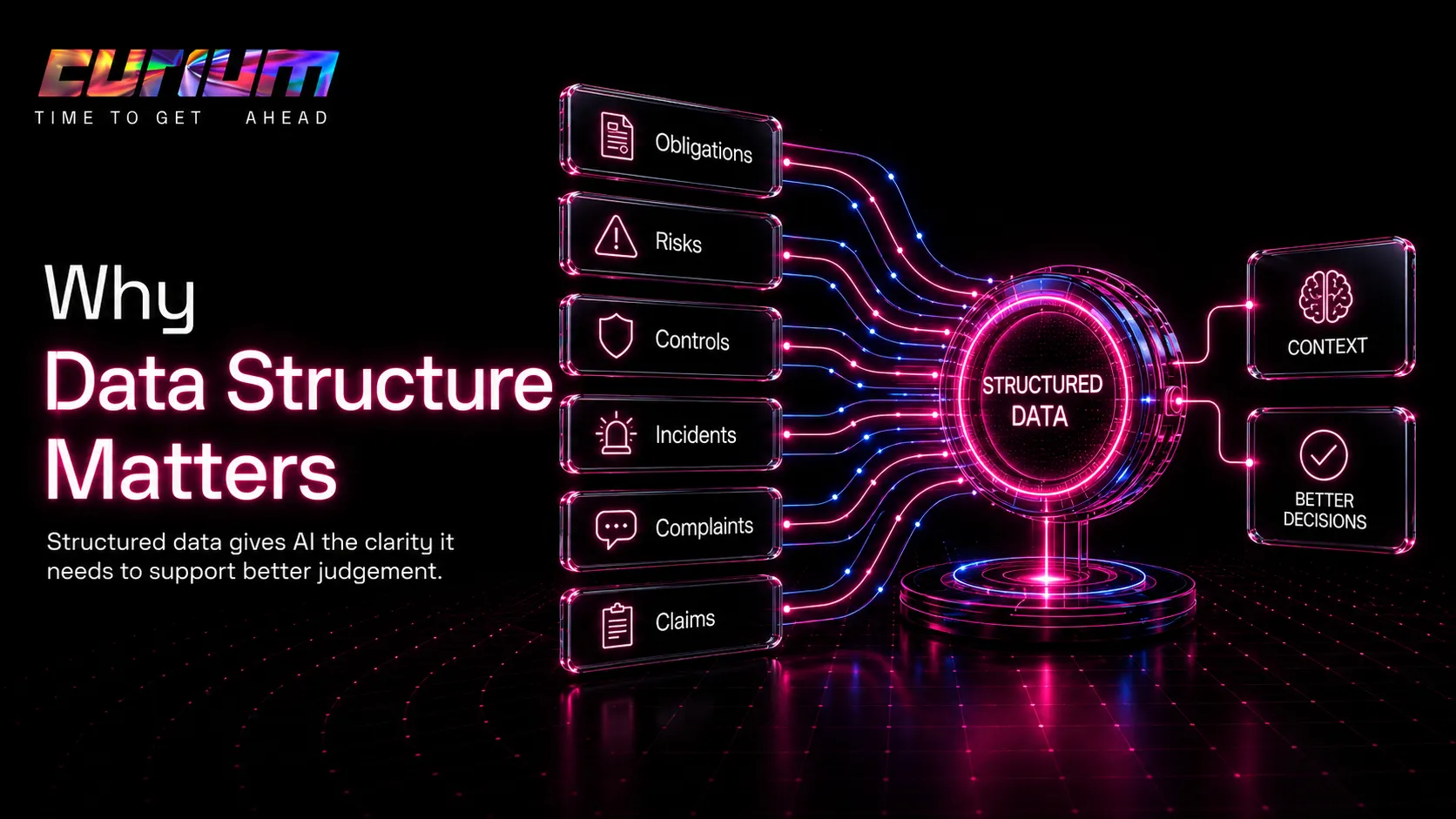
Many compliance, GRC and claims platforms are now introducing AI capabilities. Most focus on summarising documents, extracting key points, answering questions or drafting content. These features can save time and improve productivity. However, AI is ultimately constrained by the quality and structure of the data it can access. When systems are built primarily around documents, emails and notes, AI tends to be very good at finding and summarising information. What it struggles with is understanding the relationships between that information.
For example:
Which obligations relate to an incident?
Which controls were designed to prevent it?
Has something similar happened before?
Does it indicate a weakness in the risk framework?
Could the issue be systemic?
Answering these questions requires more than retrieval. It requires context, structure and reasoning.
At Curium, we have always believed that AI should do more than help people read information faster. t should help people think more effectively.
That is why our platform is built around structured relationships between obligations, risks, controls, incidents, complaints and claims. AI can then analyse those relationships and present relevant facts, evidence and considerations to support decision-making. The goal is not to replace human judgement. The goal is to equip people with better information and better reasoning so they can exercise that judgement more effectively.
How Curium Approaches Human-in-the-Loop AI
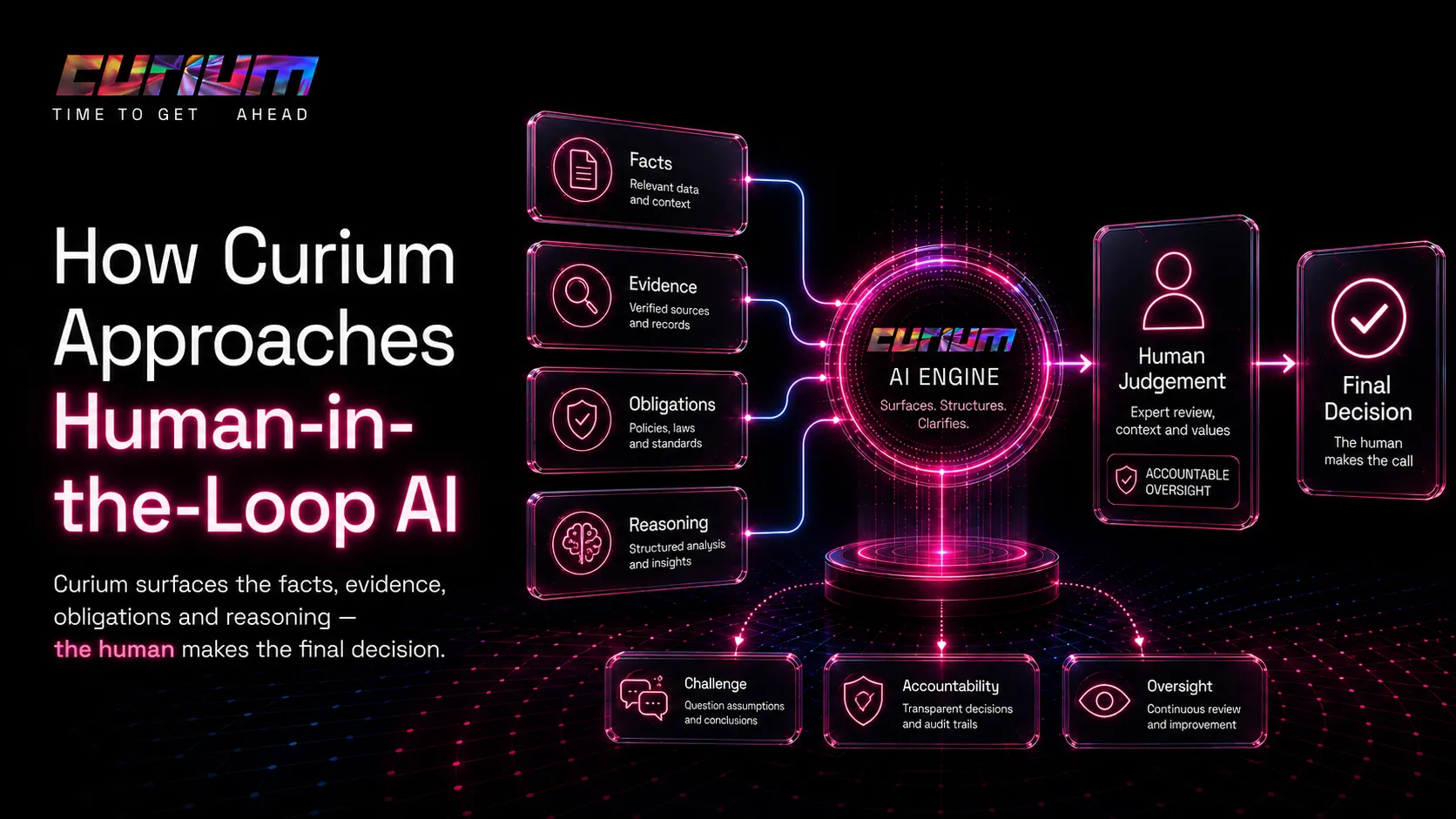
Our philosophy is simple. AI should do the work that humans should not have to do. Humans should do the work that only humans can do. That means using AI to process large volumes of information, identify patterns, map obligations, analyse relationships and surface relevant considerations. For example, instead of expecting a compliance professional to manually review legislation and determine which regulatory obligations may apply to an incident, Curium can analyse the facts, identify potentially relevant obligations and explain why they may be relevant.
But the technology does not make the final decision. It does not determine whether a breach has occurred. It does not decide whether a matter is reportable. It does not decide whether a claim should be accepted. Instead, it presents the relevant facts, evidence, obligations, controls, risks and reasoning in a structured and transparent way. The human makes the decision.
Importantly, the human can understand how the conclusion was reached.
That is what creates defensible decision-making.
Human-in-the-Loop Is a Strategic Advantage
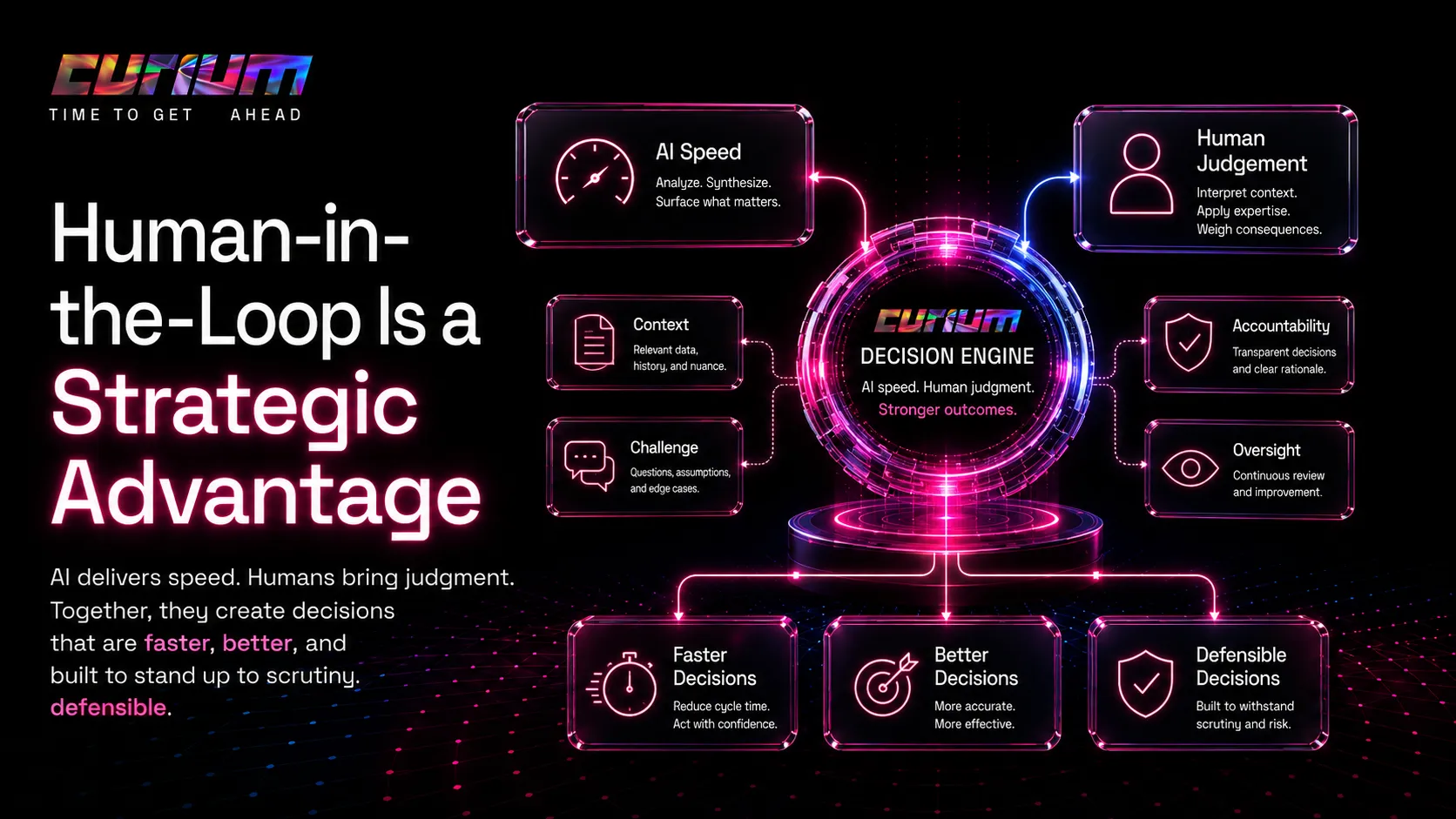
The organisations gaining the greatest value from AI are not the ones trying to automate judgement.
They are the ones augmenting it. As regulations become more complex, claims become more nuanced and accountability expectations continue to rise, the ability to make faster and better decisions will become a competitive advantage.
The winners will not be those who remove humans from the process.
Nor will they be those who force humans to manually review everything.
The winners will be those who combine the speed of AI with the judgement of experienced professionals.
Because ultimately, human-in-the-loop is not about reviewing more information.
It is about helping people make better decisions and that is where the greatest value of AI still lies.
Author:
Tetiana George, CEO of Curium, Co-Chair of Insurtech Australia and member of ASIC Digital Finance Advisory Committee. LinkedIn Profile.