

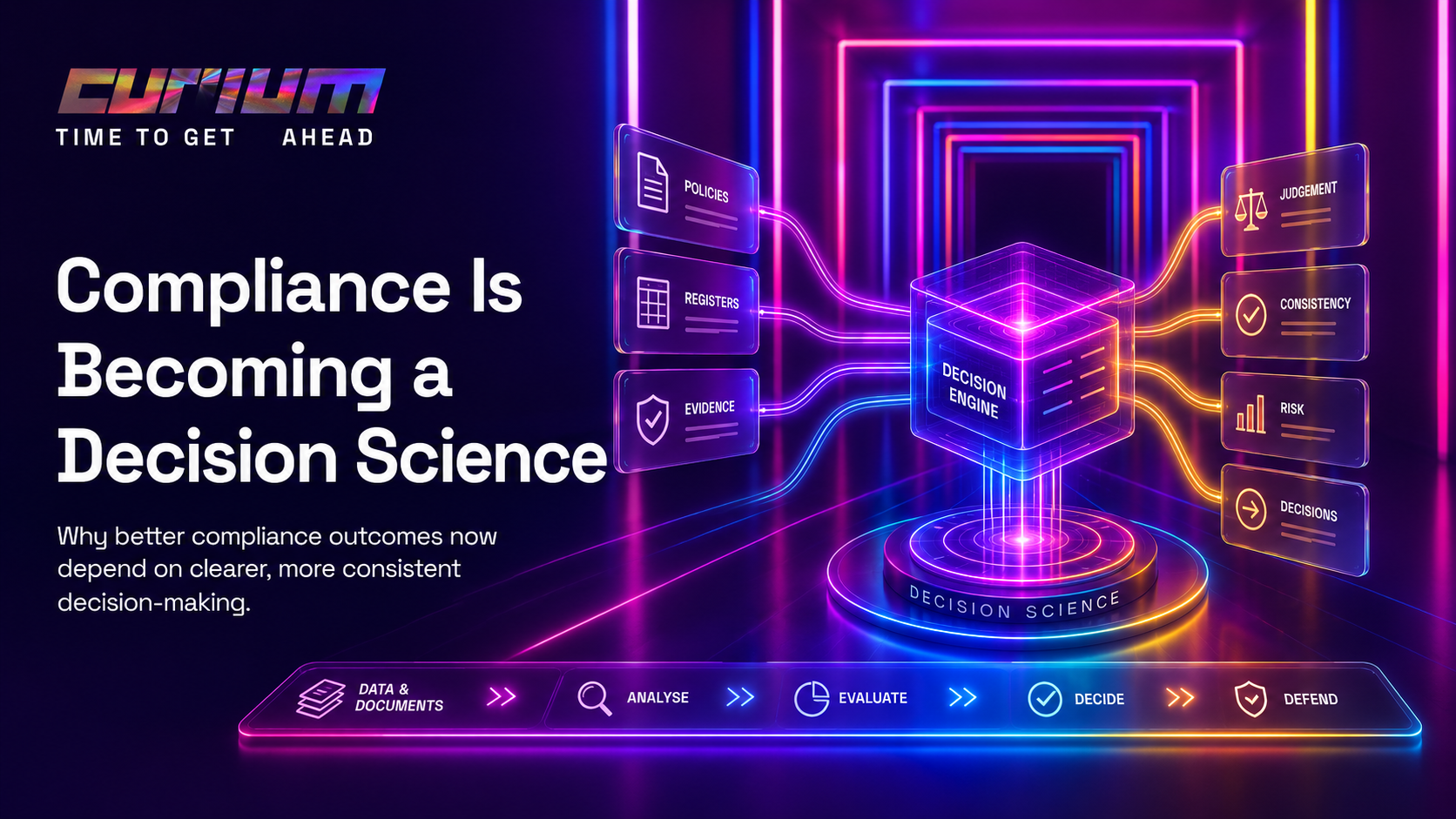
One observation: compliance is slowly shifting from a documentation discipline to a decision-making discipline.
That’s one of the biggest changes happening in compliance today. The organisations that outperform over the next decade won’t be the ones with the most policies, the largest registers or the longest procedures. They’ll be the ones that make better compliance decisions, more consistently, across the business. Because when you look closely, compliance has never really been about documentation. It’s about decisions. Did a breach occur? Is it reportable? Is a conflict of interest adequately managed? Has a complaint been handled appropriately? Is a customer vulnerable? Is a control effective? Should we accept this risk? Every day, compliance teams answer hundreds of these questions.
Compliance Has Moved Beyond Documentation
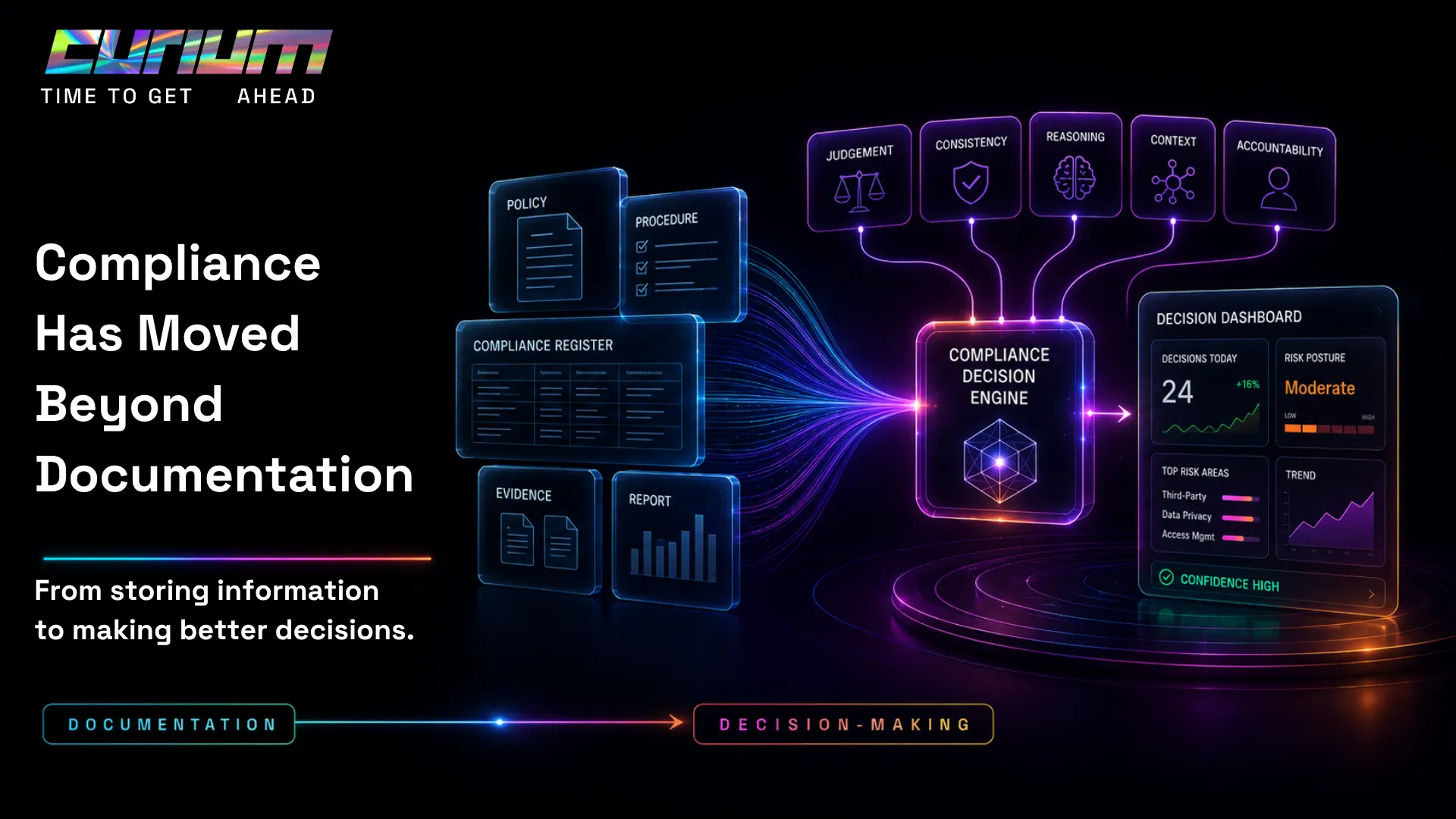
For many years, compliance functions were built around policies, registers, attestations and evidence. Those things remain important. But increasingly, regulators are less interested in whether a policy exists and more interested in how decisions are made in practice. When something goes wrong, the key questions are no longer: Did you have a policy? Did you maintain a register? Instead, they are: Why was this decision made? Was it reasonable? Was it consistent? Can you demonstrate the thinking behind it? The focus is shifting from documentation to judgement.
The Challenge Is Consistency
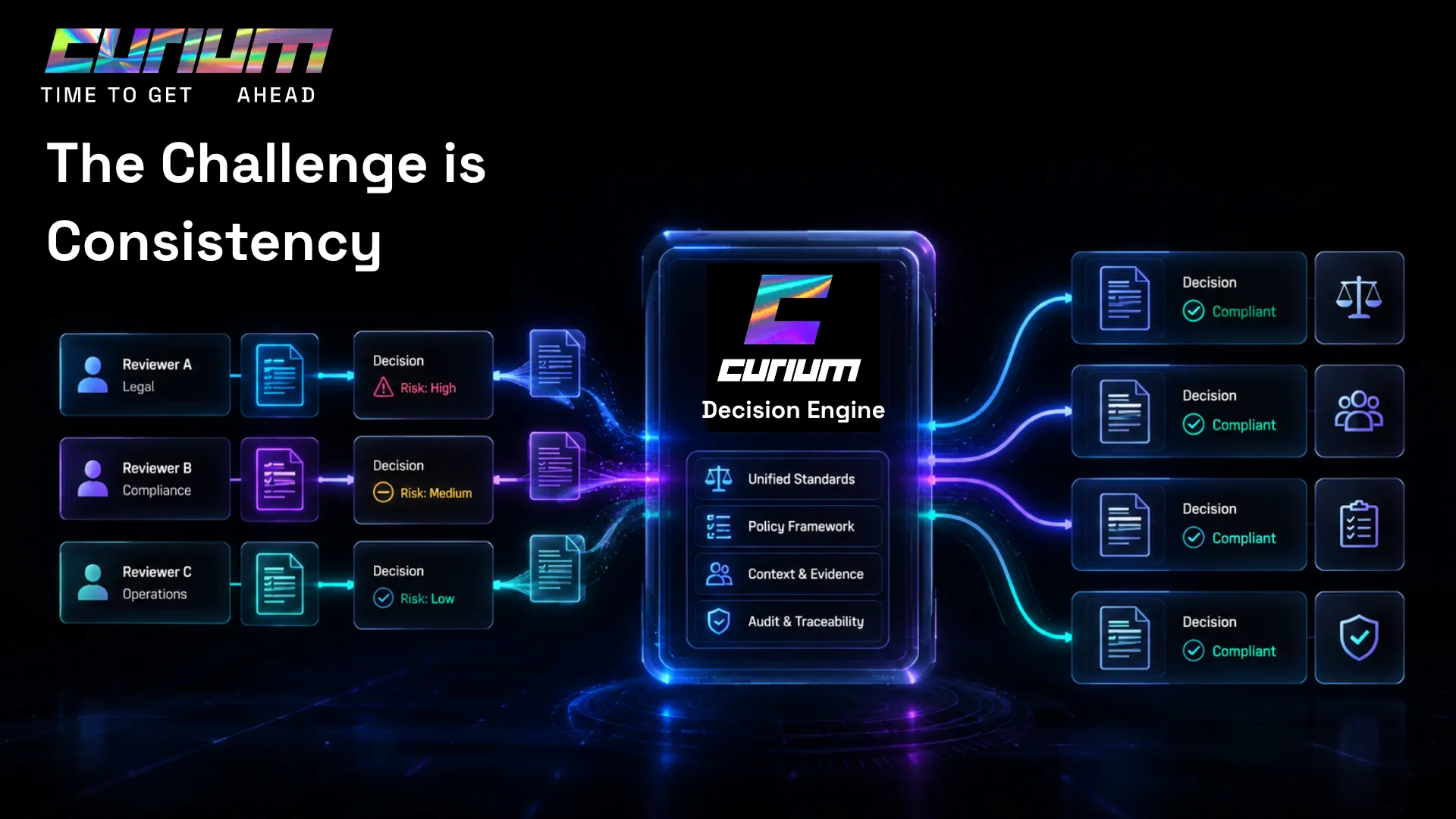
Policies don’t make decisions. Registers don’t make decisions. Frameworks don’t make decisions. People do. And as organisations grow, consistency becomes harder. Different teams interpret situations differently. Knowledge sits with individuals rather than the organisation. Historical decisions are difficult to find. The same issue can produce different outcomes depending on who happens to be reviewing it. Inconsistency is often where compliance failures begin. The challenge is no longer collecting information. The challenge is applying judgement consistently.
See what consistent decision-making looks like in practice.
Why AI Matters

This is also why artificial intelligence is attracting so much attention. Not because it replaces compliance professionals. But because it can help organisations scale judgement. An experienced compliance professional instinctively knows which obligations to consider, what evidence to gather, what questions to ask and what previous incidents may be relevant. The challenge is ensuring that the same rigour is applied consistently across the organisation. This is where technology can create real value. Not by making decisions. But by helping people make better ones. At Curium, we think this distinction matters. Many systems focus on storing information, managing workflows or summarising documents. Useful capabilities. But they do not fundamentally change decision-making. Our focus has always been on helping people understand context, identify relevant considerations and make more informed decisions. The objective is not to automate judgement. It is to support it.
See how Curium uses AI to help compliance teams surface relevant obligations, identify key considerations and support better decisions without replacing human judgement.
The Future Compliance Team
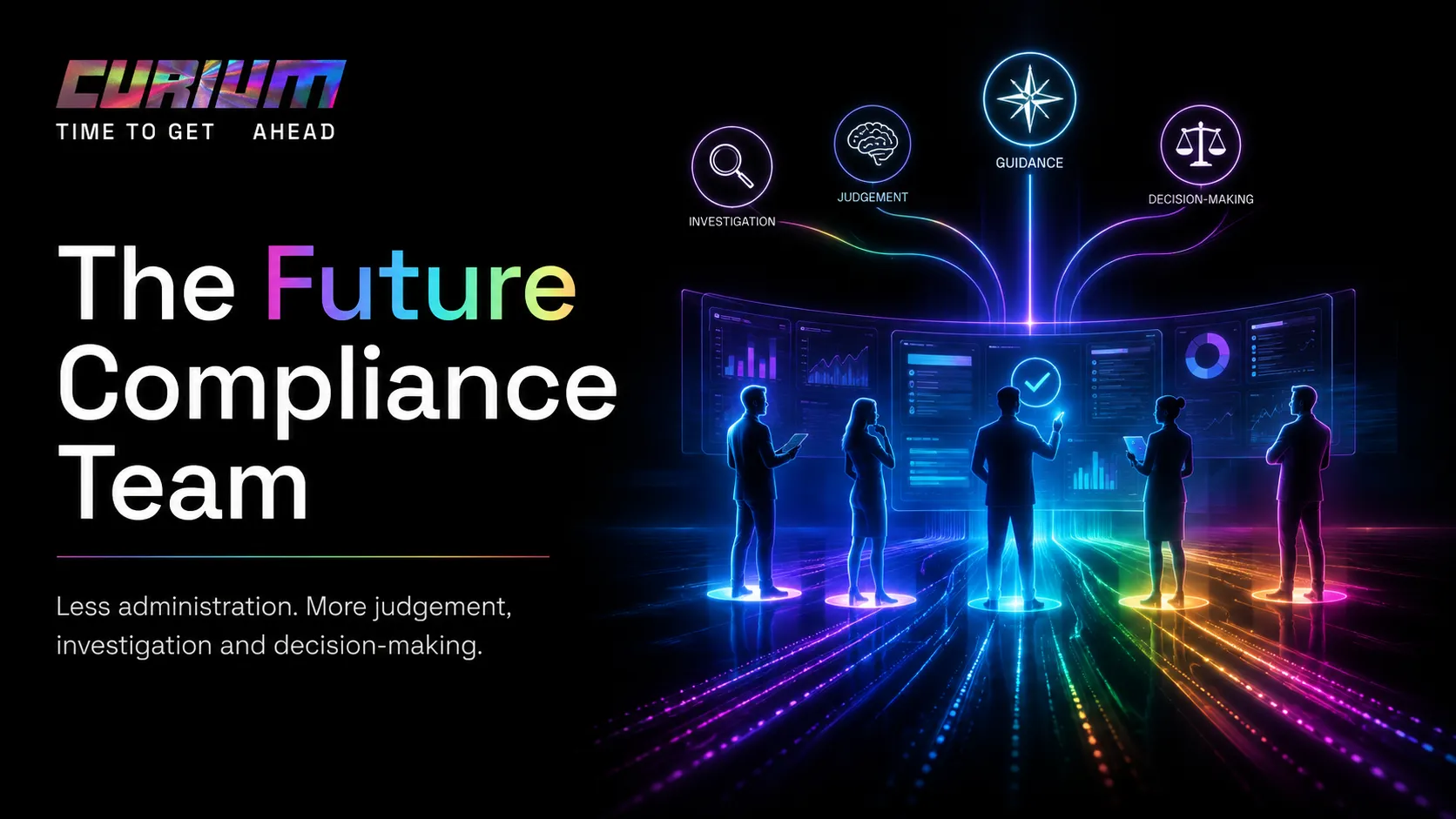
That is why I believe the compliance team of the future will look very different from the compliance team of today. Less time updating registers. Less time chasing information. Less time manually connecting the dots. More time applying expertise. More time challenging assumptions. More time investigating complex issues. More time helping the business navigate uncertainty. In other words, less administration and more judgement. Compliance is not becoming less important. If anything, it is becoming more important than ever. But its value is shifting. From documenting what happened. To helping organisations make better decisions. And that is why compliance is becoming a decision science.
See how Curium helps future-focused compliance teams spend less time chasing information and more time applying expertise, judgement and strategic insight.
Author:
Tetiana George, CEO of Curium, Co-Chair of Insurtech Australia and member of ASIC Digital Finance Advisory Committee. LinkedIn Profile.